For Commission Salespeople Who Are Done Leaving Money on the Sales Floor
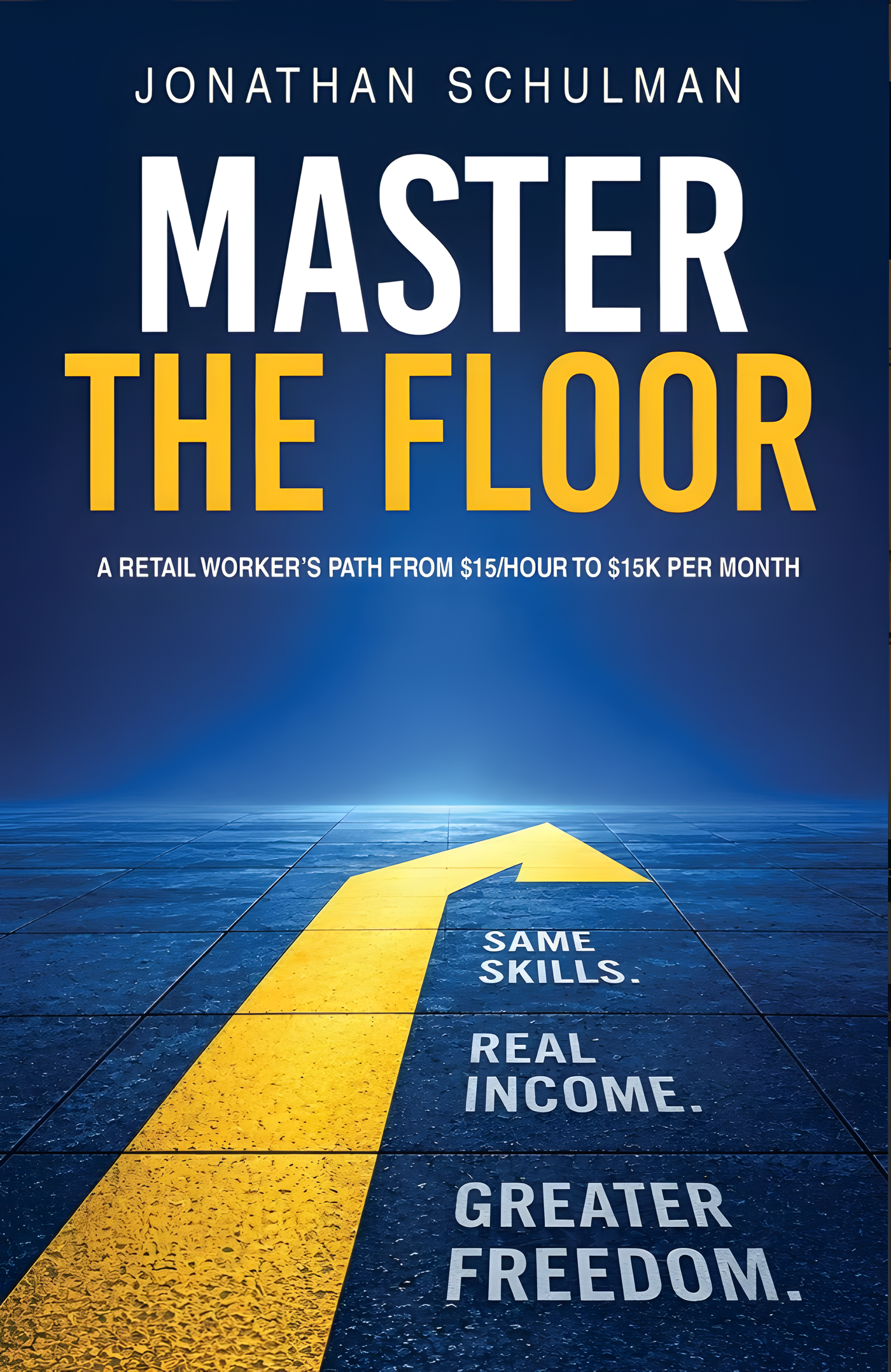
Master The Floor is the step-by-step playbook for your sales floor: the 9 steps that turn a walk-in into a client who buys more, comes back, and asks for you by name. I'll mail you the paperback free. You cover the $9.99 shipping.
 SEND ME THE BOOK
FREE paperback (Barnes & Noble price: $17.95) + $9.99 shipping. Ships within 7 days to any US address.
The Guarantee
If the book doesn't help you within 30 days, email support@masterthefloor.com and I'll refund your $9.99. Keep the book.
Where should I ship your free copy of Master The Floor?
- Master The Floor, paperback:
- FREE
- Shipping:
- $9.99
- Total today:
- $9.99
Chapter 8 lands in your inbox right away. Your book ships within 7 days.
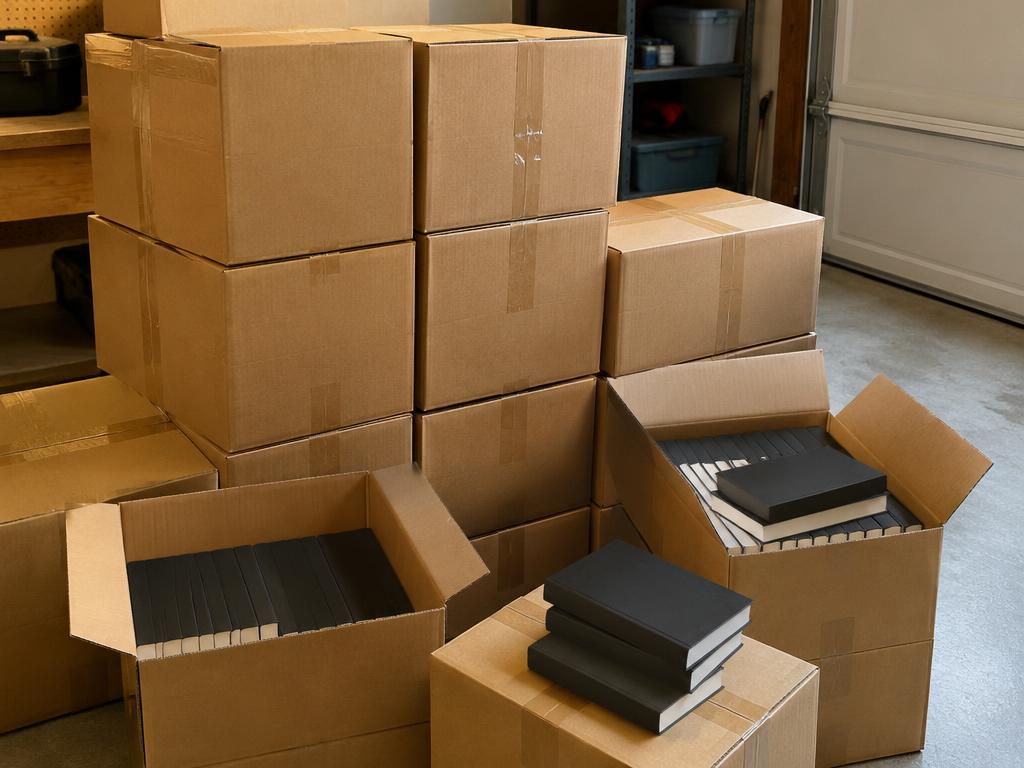
I have about 600 copies in my garage. If the book doesn't help you within 30 days, I refund your $9.99 and you keep the book.
Well over half his sales team went from struggling to six figures
15 years training commission salespeople every quarter
Published by Morgan James, sold at Barnes & Noble
They liked the sofa. They liked the price. They walked out anyway.
You've watched it happen. A customer finds the piece, the price works, and they still thank you for your time and head for the door.
In Chapter 8 that customer explains it in five words: "the vibe was all wrong." The product and the price were fine. The way the sale was handled sent them home.
Every walkout takes a commission with it. So does the customer who buys one sofa when they needed the whole room, and the buyer who never hears from you again and buys the next one from whoever remembers their name.
Count the ones that walked out last Saturday. Then multiply by every Saturday left this year.

Most stores train you for about a day
On my first day on a furniture floor, the manager showed me how to write up a sale, check the inventory and find the bathroom. Then he said "bueno suerte," laughed, and went out back for a cigarette.
That was the training. When my first customer walked in, I had no idea what to say.
If your training looked anything like mine, you've been figuring it out one walkout at a time. Most salespeople never stop doing that. They stay on the up list, write the same numbers month after month, and burn out.
I spent the next three decades on the floor, owning stores and training salespeople, and wrote down exactly what works. That's Master The Floor.

The 9 steps that turn a shopper into a client
The heart of the book is Chapter 5, Steps to a Client. Nine steps, in order, from the moment the door chimes to the follow-up that brings them back.
- 1
First Contact and the Un-Greeting
why "Can I help you?" ends the sale before it starts, and what to say instead when the door chimes.
- 2
The Approach
the moment to walk over (when something stops them), and the question that gets them sitting down and talking.
- 3
The Occasion: Why You Are Here
the question that tells you what they really came in for, and why you sketch their room on paper.
- 4
Discovery Expedition
how to recommend with confidence, and the rule that every feature you mention comes with what it does for them.
- 5
Shopping Sortie
walking the store together, winning over the quiet spouse, and finding the other rooms they need.
- 6
The Primary Close
getting the yes on the main piece, then sorting out how they'll pay before anything falls apart.
- 7
The Item or the Look
building the whole room so their home looks like your display. This is how the pros average 3.5-plus items per ticket.
- 8
The Close and Making a Customer for Life
slowing down at the end, checking every item against your notes, and offering the warranty the right way.
- 9
Following Up and Following Through
staying their advocate through delivery so they come back, ask for you by name, and send their friends.

My examples come from furniture, where I spent my career. If you sell cars or anything else on a floor, a few tactics change and the approach holds up.
SEND ME THE BOOKSame store. Same sofa. Three salespeople named Paul.
Chapter 8 walks one customer into the same store three times.

Paul #1
Paul #1 sits on a sofa by the door on his phone, then follows the customer around the floor. The customer leaves.

Paul #2
Paul #2 talks about the weather and says "I know it ain't cheap." The customer asks for his card and says he'll be back.
Paul #3
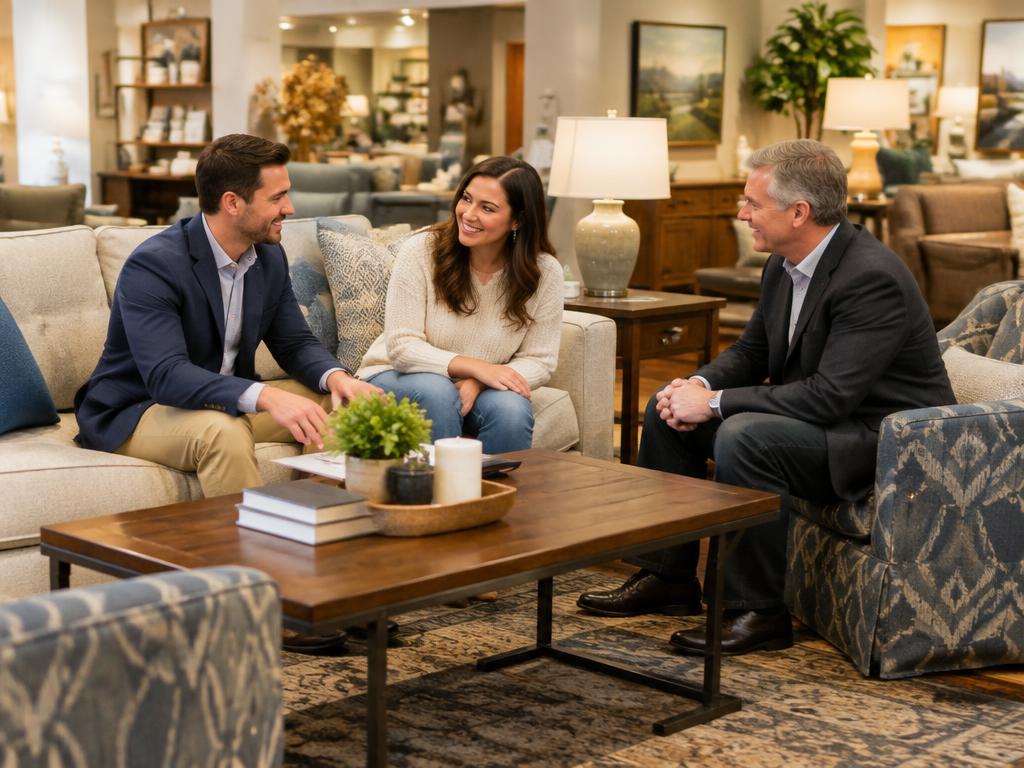
Paul #3 waits, asks if he can hang out for a minute, tells the truth about the cheaper sofa, and brings in his manager to build out the whole room. That customer walks out smiling.
You'll know which Paul you've been by the end of the chapter. The book shows you how to become the third one. Chapter 8 lands in your inbox the moment you order.
The math behind a $250,000 year
Chapter 9 turns your income goal into a daily number. At a 7 percent blended commission:
- 1$250,000 a year is about $5,000 a week
- 2$5,000 a week means about $75,000 in sales
- 3$75,000 a week is $15,000 a day on a five-day week
- 4$15,000 a day is about $2,000 an hour on an eight-hour shift
- 5That's three $5,000 sales a day
In the book I put it this way: three $5,000 sales a day is very doable once you get going and your clients keep coming back and sending their friends.
Then there's your average sale. Move it from $1,200 to $1,800 and you've given yourself a 50 percent raise without working one extra hour.
You don't have to be a natural
$12 an hour to $150,000

$45,000 to triple that
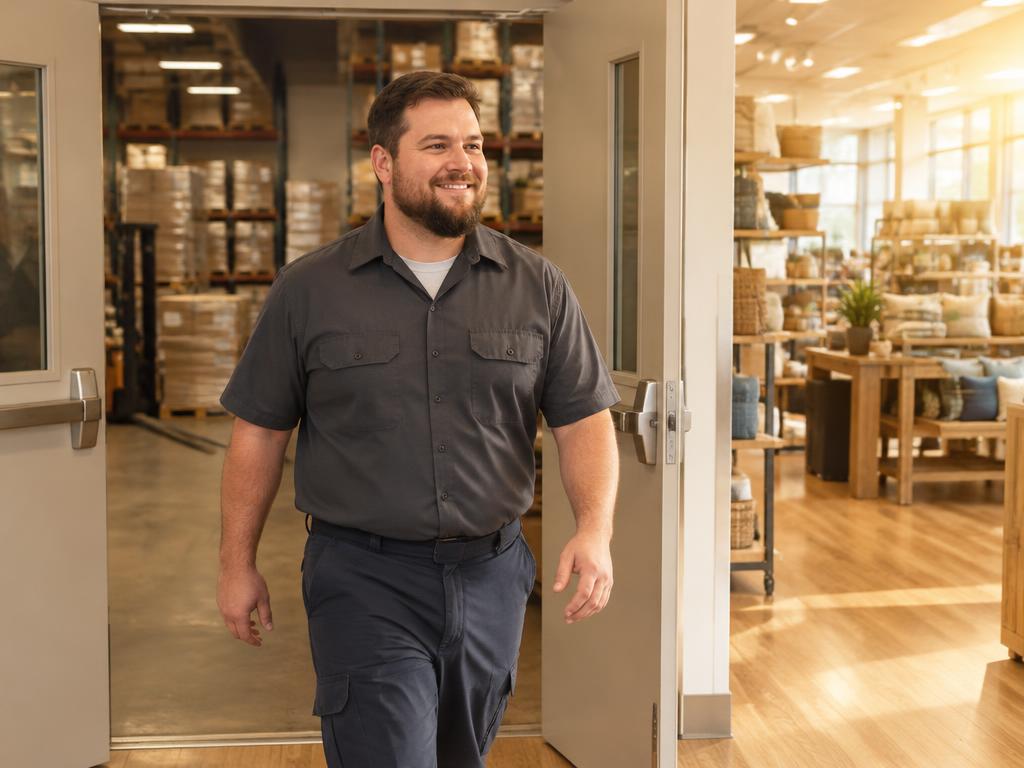
One of the best salespeople I ever saw came out of a warehouse. He was as short as he was round and pretty rough around the edges, but he could light up a room with his smile. In 2002 he made $12 an hour. His first year on the floor, he made $150,000.
I once hired a waitress who served my kids and me at IHOP. She was making $45,000 a year in wages and tips. I promised her that if she didn't double it working for me, I'd make up the difference. She tripled it her first year.
Neither of them had a sales degree. They made people feel liked, they stayed curious about the customer, and they saw as many people in a day as they could. The book shows you how to do the same on your floor.
Everything else in the book
The Arena
how to pick a store worth working at, and why coachability gets you hired over experience.
Hired
the floor rules nobody writes down, from the up list to be-backs to skating. "This is poker, not Go Fish."
Road to Stardom
how to become the salesperson everybody wants, including working by appointment before you have appointments.
Your Sales Brigade
why the warehouse, credit and delivery teams decide how your customers get treated, and how to get them on your side.
The Head Game
getting 1 percent better every day, which adds up to thirty-seven times better in a year.
Your Business Dashboard
the 5 numbers that drive your paycheck, and the weekly review that moves them.

Plus the stories behind the lessons:
- Why the store's cleaning lady walked out of busy weekends with at least a $20 bill from every salesperson
- What a lunch waitress said about the ceviche that turned a $12 tip into $25
- The waiter whose tips run 30 to 50 percent because he follows up
- "If you ain't talkin', then you're walkin', and there ain't no stalkin'."
What changes on your next shift
- 1.
Order the book and cover the $9.99 shipping.
- 2.
Read Chapter 8 on your break. It lands in your inbox the moment you order.
- 3.
On your next up, wait until the customer stops and shows real interest. Then walk over and ask if you can hang out with them for a minute.
It sounds too simple. It works because they invite you in instead of putting up with you. In the book I put it this way: retail selling is simply hanging out.


About Jonathan Schulman
Jonathan Schulman started on a furniture sales floor at 24 with zero training. Eighteen months later he opened his own store, then grew to two stores plus licensed big-box locations, where well over half his sales team went from struggling to six figures. He then spent 15 years as a manufacturer's representative, training commission salespeople every quarter, and wrote every word of Master The Floor himself.
Why would I give it away?
I have about 600 copies of Master The Floor in my garage, and a book in my garage doesn't help anybody.
Barnes & Noble sells the paperback for $17.95. I'd rather it go to salespeople who'll use it on their next shift. I also want you on my email list, so I can keep sending you what works on the floor.
So I'll pay for the book. You cover the $9.99 to ship it. There's no subscription, nothing to cancel, and nothing else gets charged.
What you get today
- Master The Floor, the paperback. Barnes & Noble price: $17.95.Yours: FREE
- Chapter 8 in your inbox the moment you order, so you can start reading tonight while the book ships.Yours: FREE
- One free round in the Sales Dojo: an AI customer walks in, you work the sale by voice or by typing, and you get scored on how you handled it.Yours: FREE
- Shipping to any US address within 7 days:$9.99
The guarantee
Read it. Try it on your floor. If the book doesn't help you within 30 days, email support@masterthefloor.com and I'll refund your $9.99. Keep the book.
Questions salespeople ask
Your next up could walk in today.
Every shift you work without these 9 steps, customers who should be your clients are buying from somebody else.
SEND ME THE BOOKThe paperback is free and shipping is $9.99. It ships within 7 days, and if it doesn't help within 30 days, you get your $9.99 back and keep the book.
Jonathan
P.S. The book is free and shipping is $9.99. I have about 600 copies in my garage and I ship within 7 days. If it doesn't help you in 30 days, you get your $9.99 back and keep the book.
SEND ME THE BOOKP.P.S. The moment you order, Chapter 8 lands in your inbox: one customer, one sofa, three salespeople named Paul. Read it on your break and decide which Paul you're going to be on your next shift.